Business License

Who Buys Steam Traps? Industries, Organizations, and Companies That Need Steam Traps
Steam traps are essential components in industrial steam systems. Their primary function is to automatically discharge condensate, air, and non-condensable gases while preventing the loss of valuable live steam. Because steam is widely used across many industries, steam traps are purchased by a diverse range of organizations, engineering companies, equipment manufacturers, and industrial end users.
If you are wondering which industries require steam traps and who the typical buyers are, this guide provides a comprehensive overview.
Why Are Steam Traps Required?
Wherever steam is used for heating, sterilization, drying, tracing, or process control, condensate is inevitably generated. If condensate is not removed efficiently, it can reduce heat transfer efficiency, cause water hammer, increase energy consumption, and damage expensive equipment.
Steam traps help organizations:
Improve energy efficiency
Protect steam equipment
Reduce maintenance costs
Increase production reliability
Extend equipment life
Lower operating expenses
As a result, steam traps are indispensable in almost every industrial steam system.
1. Industrial Manufacturing Plants
Manufacturing facilities are among the largest users of steam systems. Steam is widely used for heating, drying, cleaning, and process operations.
Typical industries include:
Food processing
Beverage production
Chemical manufacturing
Pharmaceutical plants
Textile factories
Paper and pulp mills
Rubber and tire manufacturing
Plastic processing
Steel and metal processing
Typical buyers include:
Maintenance Managers
Plant Engineers
Purchasing Managers
Utility Engineers
Reliability Engineers
2. Boiler Manufacturers and Boiler Service Companies
Every industrial boiler system requires reliable condensate removal equipment. Boiler manufacturers and boiler service contractors regularly purchase steam traps for new installations, upgrades, and replacement projects.
Steam traps are commonly installed on:
Boiler blowdown systems
Steam distribution lines
Steam headers
Condensate recovery systems
These companies often purchase steam traps in bulk for multiple customer projects.
3. EPC Contractors and Engineering Companies
Engineering, Procurement, and Construction (EPC) contractors design and build complete industrial facilities. During project execution, they source steam traps as part of integrated steam systems.
Industries served by EPC companies include:
Oil & Gas
Petrochemical
Chemical Plants
Food Processing
Power Generation
Sugar Mills
Mining
Marine Engineering
Purchasing departments typically evaluate suppliers based on technical specifications, certifications, delivery capability, and project experience.
4. Industrial Valve Distributors
Valve distributors are one of the most important customer groups for steam trap manufacturers.
They supply products such as:
Steam traps
Control valves
Pressure reducing valves
Safety valves
Strainers
Ball valves
Gate valves
Many distributors maintain inventory and provide technical support to local industries, making them ideal long-term partners.
5. Steam System Solution Providers
Companies specializing in steam system optimization regularly purchase steam traps for energy-saving projects.
Their services include:
Steam audits
Steam trap surveys
Condensate recovery
Energy efficiency improvements
Steam system maintenance
Because they work directly with industrial plants, they frequently recommend replacement steam traps as part of system upgrades.
6. Food and Beverage Companies
Steam is widely used throughout food production for cooking, sterilization, pasteurization, cleaning, and packaging.
Typical facilities include:
Breweries
Dairy plants
Meat processing plants
Bakeries
Beverage manufacturers
Sugar factories
These facilities require hygienic, reliable steam systems to maintain product quality and comply with food safety standards.
7. Pharmaceutical and Biotechnology Companies
Steam plays a critical role in pharmaceutical production, particularly for sterilization and clean steam applications.
Common steam equipment includes:
Sterilizers
Autoclaves
Heat exchangers
Clean steam generators
Reliability is essential because equipment failure can interrupt production and affect product quality.
8. Chemical and Petrochemical Plants
Chemical processing plants rely heavily on steam for heating reactors, distillation columns, heat exchangers, and storage tanks.
Steam traps help maintain stable operating temperatures while reducing energy losses.
These facilities often require steam traps capable of operating under high pressure and high temperature conditions.
9. Oil & Gas Industry
Steam is used throughout upstream, midstream, and downstream operations.
Applications include:
Steam tracing
Tank heating
Pipeline heating
Refinery processing
Enhanced oil recovery
Because of harsh operating environments, buyers often require durable steam traps with long service life and reliable performance.
10. Power Plants
Power stations utilize extensive steam distribution networks.
Steam traps are installed on:
Steam mains
Turbine auxiliary systems
Heat exchangers
Condensate systems
Instrument steam lines
Power plants prioritize high reliability and long maintenance intervals.
11. Marine and Shipbuilding Industry
Modern ships use steam systems for:
Fuel oil heating
Cargo heating
Tank heating
Accommodation heating
Galley equipment
Shipyards, marine equipment suppliers, and vessel maintenance companies frequently purchase marine-approved steam traps.
12. Hospitals and Healthcare Facilities
Hospitals use steam for:
Sterilization
Laundry
Kitchen operations
Heating systems
Medical facilities depend on reliable steam systems to ensure safe and uninterrupted operations.
13. Universities and Government Institutions
Large campuses and public facilities often operate central boiler plants that supply steam for:
Building heating
Laboratories
Research facilities
Campus utilities
Government procurement departments may purchase steam traps through maintenance contracts or infrastructure projects.
14. OEM Equipment Manufacturers
Many equipment manufacturers integrate steam traps into their products before delivery.
Typical equipment includes:
Heat exchangers
Dryers
Steam kettles
Steam generators
Process skids
Sterilization systems
These OEM customers usually require consistent product quality and long-term supply partnerships.
What Do Buyers Look for in a Steam Trap Supplier?
Professional buyers typically evaluate suppliers based on:
Product quality
Manufacturing experience
International certifications
Pressure and temperature ratings
Delivery performance
Technical support
Spare parts availability
Competitive pricing
OEM and customized solutions
A supplier capable of providing technical guidance, fast delivery, and reliable after-sales service has a significant competitive advantage.
Conclusion
Steam traps are used wherever steam is generated, distributed, or consumed. Their buyers include manufacturing plants, EPC contractors, boiler manufacturers, industrial distributors, OEM equipment builders, utility companies, hospitals, and government institutions.
For steam trap manufacturers, understanding these customer groups is essential for developing effective sales strategies and identifying high-potential markets. Building relationships with engineering companies, industrial distributors, and end users can create long-term business opportunities while helping customers improve energy efficiency, reduce maintenance costs, and enhance the reliability of their steam systems.
Recently Posted
-
How to Choose the Right Steam Trap for Your Application
July 31, 2026IntroductionChoosing the correct steam trap is one of the most important decisions in designing or maintaining an efficient steam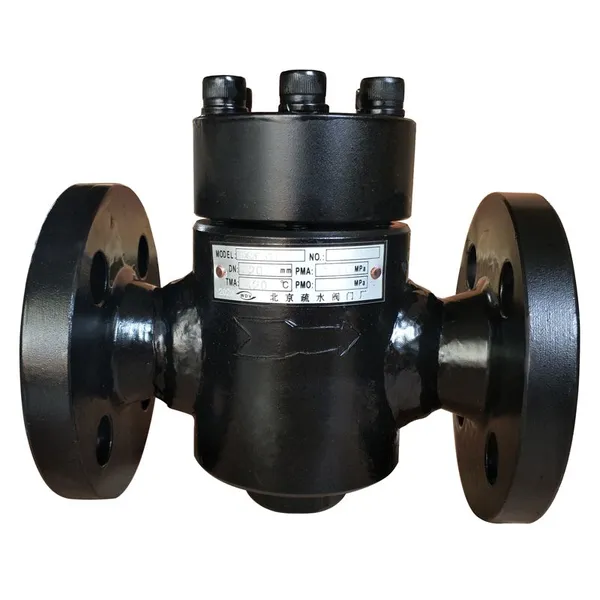 Read More
 -
Why Do Customers Still Buy Chinese Steam Traps?
July 31, 2026In today's global industrial market, buyers have access to some of the world's most recognized steam trap brands, includin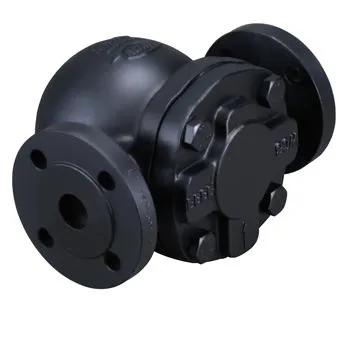 Read More
 -
High-Quality Steam Traps from Qiaofa Machinery – Efficient and Durable Solutions
July 31, 2026Introduction to Steam Traps and Their ImportanceSteam traps are essential components in any steam system, serving the critical fun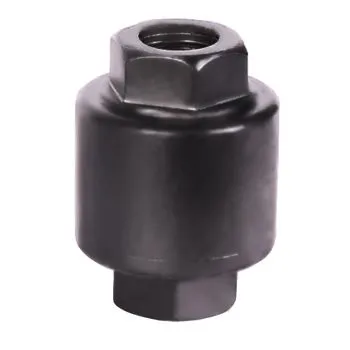 Read More
 -
Steam Trap Material Selection Guide: How to Choose the Right Material for Your Steam System
July 29, 2026IntroductionChoosing the correct steam trap material is just as important as selecting the right steam trap type. A steam trap ins Read More

Contact Us
Recommended Products
-
 Capsule-Type Steam Trap Forged SteelNegotiableMOQ: 1 Piece
 -
OEM Thermostatic Bellows Steam TrapNegotiableMOQ: 1 Piece
-
Bellows Steam Trap Manufacturer | Industrial Thermostatic Steam Traps SupplierNegotiableMOQ: 1 Piece
-
Industrial Thermostatic Steam Trap With Stainless Steel Bellows – ManufacturerNegotiableMOQ: 1 Piece
-
Thermostatic Bellows Steam Trap | Stainless Steel for Steam Tracing SystemsNegotiableMOQ: 1 Piece
-
TD42 Thermodynamic Disc Steam Trap for RefineryNegotiableMOQ: 1 Piece
-
PN16–PN63 Disc Type Steam Trap | Threaded, Flanged & Socket Weld ConnectionsNegotiableMOQ: 1 Piece
-
TD42 Disc Type Steam Trap – Thermodynamic Steam Trap Manufacturer & Supplier in ChinaNegotiableMOQ: 1 Piece
-
TD42 Thermodynamic Disc Steam Trap for RefineryNegotiableMOQ: 1 Piece
-
Lever Float Steam Trap Manufacturer in China | High Efficiency Steam TrapNegotiableMOQ: 1 Piece
-
Lever Float Steam Trap for Steam Heating SystemsNegotiableMOQ: 1 Piece
-
Stainless Steel Lever Float Steam Trap With Thermostatic Air VentNegotiableMOQ: 1 Piece
-
Industrial Lever Float Steam Trap for Heat ExchangersNegotiableMOQ: 1 Piece
-
PN16 PN25 PN40 Lever Float Steam Trap SupplierNegotiableMOQ: 1 Piece
-
Heavy Duty Lever Float Steam Trap for Process Steam ApplicationsNegotiableMOQ: 1 Piece
-
Lever Float Steam Trap With Continuous Condensate DischargeNegotiableMOQ: 1 Piece
-
OEM Lever Float Steam Trap Factory With 45+ Years ExperienceNegotiableMOQ: 1 Piece
-
OEM Lever Float Steam Trap Factory With 45+ Years ExperienceNegotiableMOQ: 1 Piece
-
Flanged and Threaded Lever Float Steam Trap for Industrial BoilersNegotiableMOQ: 1 Piece
-
High Capacity Lever Float Steam Trap for Marine and Industrial ApplicationsNegotiableMOQ: 1 Piece