Business License

Steam Trap Testing: Boost Efficiency with Qiaofa Machinery Solutions
Introduction: The Foundation of Steam Efficiency and Maintenance
In the complex world of industrial energy management, steam systems remain the backbone of countless manufacturing processes, and their efficiency directly impacts operational costs and productivity. A well-maintained steam system can dramatically reduce fuel consumption, lower emissions, and extend the lifespan of critical equipment, but achieving this requires vigilant oversight of every component. Among all the elements in a steam network, the steam trap stands out as both the most vital and the most frequently overlooked piece of hardware. Understanding what a steam trap does and how to keep it functioning properly is essential for any facility that relies on steam for heating, processing, or power generation. Regular steam trap testing is not merely a maintenance recommendation; it is a strategic imperative that separates efficient operations from those bleeding energy and money. With the right partner, such as Qiaofa Machinery Co., Ltd, companies can transform their steam trap management from a reactive burden into a proactive advantage.
Industrial steam systems are inherently complex, and their performance degrades over time if components are not monitored and serviced appropriately. One of the most common yet preventable issues in these systems is the failure of steam traps, which can occur silently and cumulatively across a facility. When steam traps fail, they typically do so in one of two ways: they either fail open, wasting vast amounts of live steam, or they fail closed, causing condensate to back up and creating dangerous water hammer conditions. The economic impact of even a single failed trap can be staggering, with one leaking trap potentially wasting thousands of dollars in fuel annually. Therefore, implementing a rigorous and consistent trap testing protocol is the single most effective step a plant can take to safeguard its steam infrastructure. In this article, we will explore the essential role of steam traps, the high cost of neglecting them, the best methods for testing them, and how Qiaofa Machinery’s reliable products and support services deliver measurable savings.
The Critical Role of Steam Traps in Industrial Systems
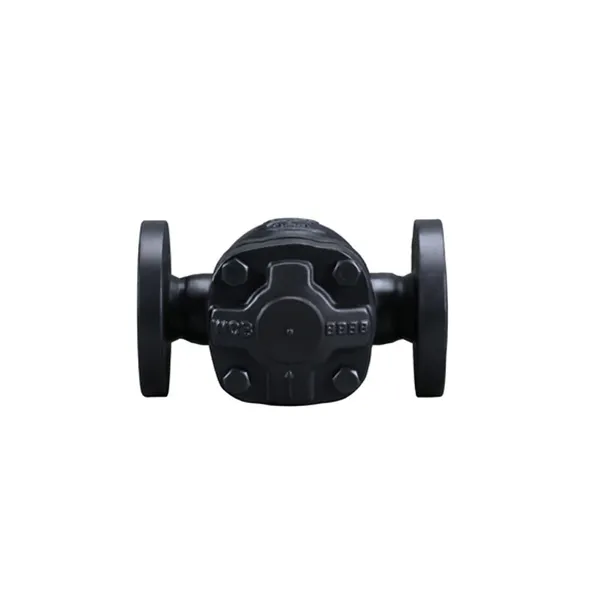
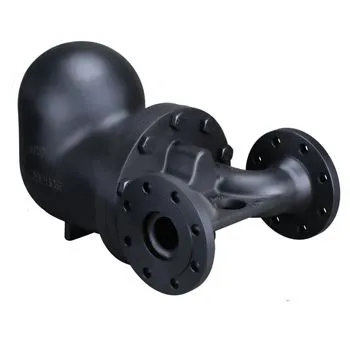
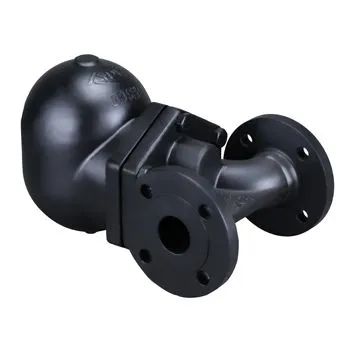
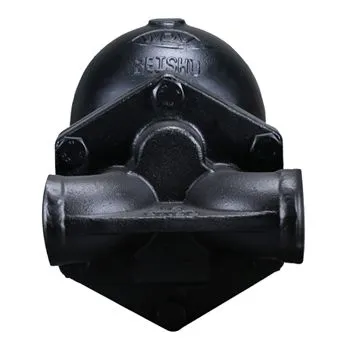
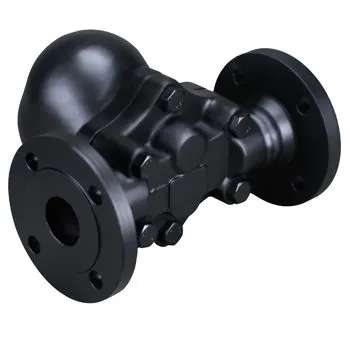
A steam trap is an automatic valve designed to discharge condensate, air, and non-condensable gases from a steam system while preventing the loss of live steam, and its proper function is absolutely non-negotiable for operational efficiency. Without effective steam trap operation, condensate accumulates in pipes and heat exchangers, which drastically reduces heat transfer efficiency and can lead to severe mechanical damage known as water hammer. Water hammer occurs when slugs of condensate are propelled at high velocity by incoming steam, slamming into pipe fittings, valves, and equipment with enough force to rupture pipes or destroy costly machinery. Beyond preventing physical damage, steam traps also help maintain optimal steam temperature and pressure within the system, ensuring that processes run consistently and product quality remains high. There are several steam trap types available on the market, including thermostatic, thermodynamic, and mechanical designs, each suited to specific applications and operating conditions. Among these, the mechanical steam trap, such as the popular FT14 model offered by Qiaofa, is widely recognized for its reliability in handling large volumes of condensate under fluctuating loads. Selecting the correct steam trap types for each application and then testing them regularly is the foundation of a robust steam management program.
The diversity of steam trap types means that engineers must carefully match trap characteristics to the demands of their specific system, whether that involves high-pressure superheated steam or low-pressure heating lines. Thermostatic traps, for example, operate on temperature differences and are excellent for air removal and moderate condensate loads, but they may struggle in highly variable pressure environments. Thermodynamic traps, which rely on the kinetic energy of flash steam, are compact and robust, but they can be prone to wear in dirty or excessively wet steam conditions. Mechanical steam traps, including the inverted bucket and float-and-thermostatic designs, offer superior performance for continuous drainage and are less affected by pressure fluctuations, making them a preferred choice for critical process applications. The FT14 float trap, a standout mechanical steam trap from Qiaofa, exemplifies the engineering excellence that modern manufacturers demand, combining high discharge capacity with exceptional resistance to wear. By understanding the strengths and limitations of each steam trap type, maintenance teams can make informed decisions that improve system reliability and reduce the frequency of emergency repairs. Ultimately, no matter which trap design is deployed, consistent trap testing is the only way to verify that these devices are performing as intended.
The Problem with Failed Traps: A Hidden Drain on Resources
Industry studies consistently show that approximately 10% of all installed steam traps fail every year, a sobering statistic that underscores the scale of potential energy waste lurking in most industrial facilities. A single failed trap that blows live steam into the condensate return line can waste anywhere from 10 to 50 pounds of steam per hour, depending on the orifice size and system pressure, which translates into thousands of dollars in lost fuel annually. When multiplied across dozens or even hundreds of traps in a medium-sized plant, the cumulative financial impact becomes enormous, often representing 10% to 20% of the total steam production cost. Beyond the direct energy penalty, failed traps also degrade the performance of downstream equipment, cause corrosion in condensate piping, and increase the load on deaerators and boilers. This vicious cycle of inefficiency accelerates wear on the entire steam system, leading to more frequent breakdowns, higher maintenance labor costs, and unplanned production downtime. The hidden nature of steam trap failure makes it especially dangerous, because a trap can fail partially and remain unnoticed for months while continuously wasting energy. That is why rigorous and regular trap testing is not an optional expense but a critical investment that directly improves a company’s bottom line.
The problem is compounded by the fact that many facilities lack a systematic approach to boiler steam trap management, relying instead on reactive repairs when a visible problem arises. A boiler steam trap that fails to operate correctly can cause condensate to back up into the boiler itself, reducing steam output and potentially causing dangerous water level fluctuations. Moreover, when traps are not tested and documented properly, maintenance teams have no data to identify recurring failure patterns or to justify capital investments in higher-quality products. This lack of visibility often leads to a cycle of cheap replacements that fail quickly, costing more over time than investing in durable, well-engineered traps from the beginning. Qiaofa Machinery Co., Ltd addresses this challenge head-on by manufacturing steam traps that are designed for longevity and easy maintenance, reducing the frequency of failures and the associated energy losses. By combining high-quality hardware with a disciplined trap testing program, companies can dramatically cut their energy waste and extend the service life of their entire steam system. The data is clear: the cost of testing is a fraction of the cost of ignoring failed traps.
Advanced Testing Methods: Ultrasonic and Thermography
To effectively combat steam trap failure, maintenance professionals must employ reliable diagnostic techniques that can quickly and accurately assess trap condition without removing the device from service. Among the most proven and widely adopted methods are ultrasonic testing and infrared thermography, both of which provide valuable insights into trap performance under real operating conditions. Ultrasonic testing works by detecting the high-frequency sound waves generated by the flow of condensate and steam through a trap, allowing the technician to distinguish between normal operation and various failure modes. A properly functioning trap will produce a consistent, rhythmic sound as condensate is discharged intermittently, while a failed-open trap emits a continuous high-velocity hiss of escaping steam. Ultrasonic detectors can pinpoint these acoustic signatures even in noisy industrial environments, making them indispensable tools for routine trap testing surveys. By integrating ultrasonic testing into a scheduled maintenance program, plants can identify failing traps early and schedule repairs before significant energy is wasted or system damage occurs.
Infrared thermography, on the other hand, uses thermal imaging cameras to measure temperature differences across the steam trap and its associated piping, revealing blockages, steam leaks, and other anomalies invisible to the naked eye. A normally functioning trap will exhibit a distinct temperature drop between its inlet and outlet as condensate is discharged and steam is retained, while a failed trap may show an abnormally hot outlet if steam is blowing through. Combining ultrasonic and thermographic methods gives maintenance teams a comprehensive picture of trap health, as each technique compensates for the limitations of the other. For example, a trap that appears to have normal temperatures might still be losing steam through an internal leak that only ultrasonic detection can identify. Qiaofa Machinery recommends and supports the use of both these methods as part of a holistic steam system optimization strategy, and they also provide technical guidance to help customers implement effective testing protocols. Regular trap testing using these advanced technologies is the most efficient way to maintain high system reliability and minimize energy waste across the entire facility.
Qiaofa Machinery's Advantages: Reliable Products and Comprehensive Support
Qiaofa Machinery Co., Ltd stands apart in the industrial valve market by combining decades of manufacturing expertise with an unwavering commitment to quality, innovation, and customer service in the field of steam trap technology. As an ISO-certified manufacturer, Qiaofa produces a full range of steam trap types, including thermostatic, thermodynamic, and mechanical steam trap designs, all engineered to meet the highest international standards for efficiency and durability. The FT14 mechanical steam trap, for instance, exemplifies the company’s focus on robust construction and precision engineering, offering reliable condensate drainage under even the most demanding operating conditions. Beyond product quality, Qiaofa provides comprehensive support that includes system evaluation, product selection guidance, installation assistance, and ongoing technical consultation to ensure optimal performance. This holistic approach means that customers are not just purchasing hardware; they are gaining a partner dedicated to maximizing their steam system’s efficiency and reliability. By choosing Qiaofa, businesses gain access to a wealth of industry knowledge and a product line engineered to reduce total cost of ownership over the long term.
The company’s advantages extend well beyond its product catalog to encompass a deep understanding of how to implement effective trap testing programs that deliver real energy savings. Qiaofa’s engineering team works closely with clients to identify the most critical steam trap locations, recommend appropriate testing frequencies, and interpret diagnostic data to prioritize repair actions. This collaborative approach ensures that trap testing is not performed in isolation but is integrated into a broader energy management strategy that targets the highest-return improvements first. Furthermore, Qiaofa offers customized solutions for unique applications, recognizing that no two steam systems are exactly alike and that off-the-shelf products sometimes need tailoring. Whether a facility requires specialized materials for corrosive environments, higher pressure ratings, or unique connection configurations, Qiaofa’s engineering team can design and manufacture a solution that fits perfectly. This combination of premium products, expert support, and customization capability makes Qiaofa Machinery the ideal partner for any organization serious about steam efficiency. Ultimately, investing in Qiaofa’s solutions pays for itself many times over through reduced energy costs, fewer breakdowns, and longer equipment life.
Conclusion: Proper Testing and Qiaofa's Solutions Lead to Savings
The evidence is overwhelming: regular and systematic steam trap testing is one of the most cost-effective energy conservation measures available to industrial facilities, often delivering payback periods measured in weeks or months. By identifying and repairing failed traps promptly, plants can eliminate wasteful steam losses, reduce fuel consumption, lower greenhouse gas emissions, and improve the reliability of critical steam-powered processes. The integration of advanced testing methods like ultrasonic detection and infrared thermography empowers maintenance teams to make data-driven decisions that maximize the return on their steam system investments. However, even the best testing program is only as effective as the equipment it monitors, which is why choosing high-quality, durable steam traps is essential for long-term success. Qiaofa Machinery Co., Ltd offers the ideal combination of superior products, expert guidance, and custom solutions that enable customers to build and maintain world-class steam systems. From the versatile FT14 mechanical steam trap to comprehensive system support, Qiaofa provides everything needed to turn steam trap management from a cost center into a profit driver. Companies that embrace proper trap testing and partner with Qiaofa are positioned to achieve significant, sustained savings while enhancing their overall operational excellence. Take the first step today by evaluating your current trap testing practices and exploring how Qiaofa can help your facility thrive.
The path to steam system optimization begins with a clear understanding of current performance and a commitment to continuous improvement through regular monitoring and maintenance. By implementing a structured trap testing schedule, training maintenance personnel on the latest diagnostic techniques, and upgrading to reliable steam trap types from Qiaofa, facilities can dramatically reduce energy waste and avoid costly emergency repairs. The FT14 and other mechanical steam trap models from Qiaofa are specifically designed to withstand harsh industrial conditions and provide consistent, long-term performance that minimizes the frequency of failures. Additionally, Qiaofa’s team is always available to provide expert advice on trap selection, installation best practices, and the interpretation of trap testing results to ensure customers get the maximum benefit from their investment. Do not let hidden steam leaks drain your budget—take control of your steam system with proven testing methods and trusted Qiaofa products. The combination of rigorous trap testing, high-quality components, and expert support creates a powerful synergy that drives down costs and boosts productivity across the entire plant. Make the smart choice today and partner with Qiaofa Machinery Co., Ltd to unlock the full potential of your steam system.
Frequently Asked Questions (FAQ)
1. What is steam trap testing and why is it important?
Steam trap testing is the process of inspecting and evaluating the operational condition of steam traps to determine whether they are functioning correctly, discharging condensate without wasting live steam. It is critically important because approximately 10% of all steam traps fail each year, and a single failed trap can waste thousands of dollars in energy annually through lost steam. Regular testing allows maintenance teams to identify failing traps early, schedule repairs proactively, and dramatically reduce energy consumption and operational costs.
2. What are the most common methods used for steam trap testing?
The two most common and effective methods for steam trap testing are ultrasonic testing and infrared thermography, both of which are widely recommended by industry experts and manufacturers like Qiaofa Machinery. Ultrasonic testing detects the high-frequency sound of condensate and steam flow to identify leaks and blockages, while thermography uses thermal imaging to spot temperature anomalies that indicate trap failure. Combining both methods provides a comprehensive diagnostic picture that maximizes detection accuracy.
3. How often should industrial steam traps be tested?
Industry best practices recommend that steam traps be tested at least once every three to six months for low-criticality applications, and monthly or even weekly for high-pressure or process-critical systems where failure can cause significant production disruptions. The optimal testing frequency depends on factors such as system pressure, the age and type of traps, operating conditions, and the cost consequences of failure. Qiaofa Machinery’s engineering team can help customers develop a customized testing schedule based on their specific plant requirements.
4. What is the difference between a mechanical steam trap and other steam trap types?
A mechanical steam trap, such as the FT14 float trap from Qiaofa, operates using the difference in density between steam and condensate, opening a valve to discharge liquid while sealing against steam loss. In contrast, thermostatic traps rely on temperature-sensitive elements, and thermodynamic traps use the kinetic energy of flash steam to open and close. Mechanical steam traps, particularly float-and-thermostatic designs, are generally considered the most reliable for continuous drainage under varying loads and are often preferred for critical process applications.
5. How much energy can be saved by implementing a proper steam trap testing program?
A well-executed steam trap testing program can reduce steam system energy losses by 10% to 20% or more, translating into tens or even hundreds of thousands of dollars in annual fuel savings for a mid-sized facility. The payback period for the cost of testing and repairs is often less than three months, making it one of the highest-return energy conservation measures available. These savings come from eliminating live steam losses, reducing boiler load, and improving heat transfer efficiency across the system.
6. What is the FT14 steam trap and what are its key advantages?
The FT14 is a high-performance mechanical steam trap manufactured by Qiaofa Machinery, specifically designed for reliable drainage of condensate in industrial steam systems under fluctuating pressure and load conditions. Its key advantages include a robust float mechanism that resists wear, high discharge capacity, excellent air venting capability, and long service life even in demanding environments. The FT14 is a popular choice for applications requiring continuous, trouble-free operation with minimal maintenance intervention.
7. How do I perform boiler steam trap testing correctly?
Boiler steam trap testing involves using instruments like an ultrasonic detector or a thermal imaging camera to assess the condition of traps in the boiler's steam distribution and condensate return lines. Technicians should follow a systematic procedure: first, identify and tag each trap; second, measure inlet and outlet temperatures and listen for acoustic signatures; third, record the results; and fourth, compare readings against known benchmarks for that trap model and pressure. Qiaofa Machinery provides technical documentation and support to help customers establish effective boiler steam trap testing protocols.
8. What does Qiaofa Machinery Co., Ltd offer beyond steam trap products?
Beyond its comprehensive range of high-efficiency steam traps, including both standard and customized designs, Qiaofa Machinery Co., Ltd offers system evaluation, product selection guidance, installation support, and ongoing technical consultation. The company also provides training on trap testing methods and helps customers develop data-driven maintenance programs that maximize energy savings. This full-service approach ensures that clients receive not just reliable hardware but the expertise needed to achieve optimal steam system performance.
9. Can steam trap testing be performed while the system is operating?
Yes, one of the major advantages of modern steam trap testing methods like ultrasonic detection and infrared thermography is that they can be performed while the steam system remains fully operational, with no need to shut down production. This non-intrusive capability allows maintenance teams to conduct frequent surveys without disrupting manufacturing schedules, making it easier to maintain a rigorous testing regimen. Qiaofa’s support team can advise on the best instruments and techniques for live-system testing.
10. How do I choose the right steam trap types for my facility?
Choosing the right steam trap types requires evaluating factors such as system pressure and temperature, condensate load, the presence of air or non-condensable gases, and the criticality of the application. Consulting with an experienced manufacturer like Qiaofa Machinery can simplify this decision, as their engineers can analyze your system and recommend the most appropriate trap type and model, such as the FT14 mechanical steam trap for demanding continuous drainage applications. Proper selection ensures longer trap life, lower maintenance costs, and maximum energy efficiency.
Recently Posted
-
How to Choose the Right Steam Trap for Your Application
July 31, 2026IntroductionChoosing the correct steam trap is one of the most important decisions in designing or maintaining an efficient steam Read More
 -
Why Do Customers Still Buy Chinese Steam Traps?
July 31, 2026In today's global industrial market, buyers have access to some of the world's most recognized steam trap brands, includin Read More
 -
High-Quality Steam Traps from Qiaofa Machinery – Efficient and Durable Solutions
July 31, 2026Introduction to Steam Traps and Their ImportanceSteam traps are essential components in any steam system, serving the critical fun Read More
 -
Steam Trap Material Selection Guide: How to Choose the Right Material for Your Steam System
July 29, 2026IntroductionChoosing the correct steam trap material is just as important as selecting the right steam trap type. A steam trap ins Read More

Contact Us
Recommended Products
-
 Capsule-Type Steam Trap Forged SteelNegotiableMOQ: 1 Piece
 -
OEM Thermostatic Bellows Steam TrapNegotiableMOQ: 1 Piece
-
Bellows Steam Trap Manufacturer | Industrial Thermostatic Steam Traps SupplierNegotiableMOQ: 1 Piece
-
Industrial Thermostatic Steam Trap With Stainless Steel Bellows – ManufacturerNegotiableMOQ: 1 Piece
-
Thermostatic Bellows Steam Trap | Stainless Steel for Steam Tracing SystemsNegotiableMOQ: 1 Piece
-
TD42 Thermodynamic Disc Steam Trap for RefineryNegotiableMOQ: 1 Piece
-
PN16–PN63 Disc Type Steam Trap | Threaded, Flanged & Socket Weld ConnectionsNegotiableMOQ: 1 Piece
-
TD42 Disc Type Steam Trap – Thermodynamic Steam Trap Manufacturer & Supplier in ChinaNegotiableMOQ: 1 Piece
-
TD42 Thermodynamic Disc Steam Trap for RefineryNegotiableMOQ: 1 Piece
-
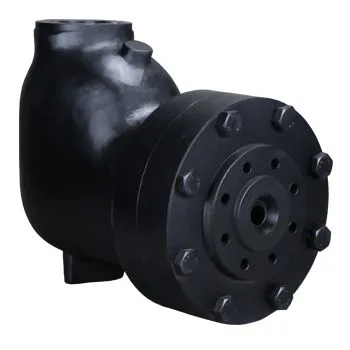
Lever Float Steam Trap Manufacturer in China | High Efficiency Steam TrapNegotiableMOQ: 1 Piece
-
Lever Float Steam Trap for Steam Heating SystemsNegotiableMOQ: 1 Piece
-
Stainless Steel Lever Float Steam Trap With Thermostatic Air VentNegotiableMOQ: 1 Piece
-
Industrial Lever Float Steam Trap for Heat ExchangersNegotiableMOQ: 1 Piece
-
PN16 PN25 PN40 Lever Float Steam Trap SupplierNegotiableMOQ: 1 Piece
-
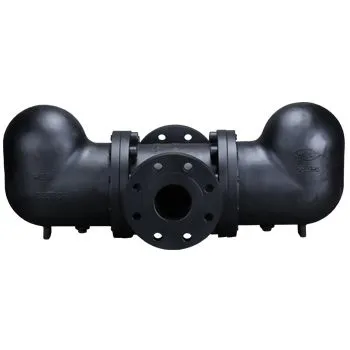
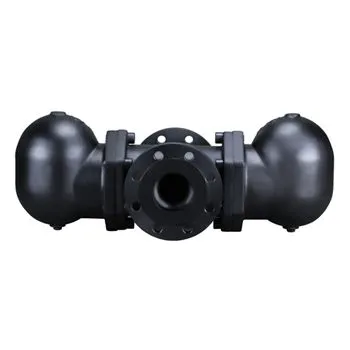
Heavy Duty Lever Float Steam Trap for Process Steam ApplicationsNegotiableMOQ: 1 Piece
-
Lever Float Steam Trap With Continuous Condensate DischargeNegotiableMOQ: 1 Piece
-
OEM Lever Float Steam Trap Factory With 45+ Years ExperienceNegotiableMOQ: 1 Piece
-
OEM Lever Float Steam Trap Factory With 45+ Years ExperienceNegotiableMOQ: 1 Piece
-
Flanged and Threaded Lever Float Steam Trap for Industrial BoilersNegotiableMOQ: 1 Piece
-
High Capacity Lever Float Steam Trap for Marine and Industrial ApplicationsNegotiableMOQ: 1 Piece